
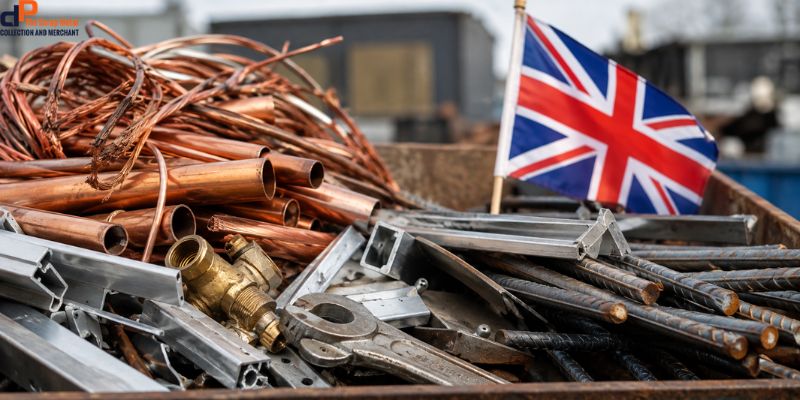
If you’ve ever looked at an old radiator, a pile of copper pipes, worn-out aluminium frames, or unused car parts and wondered whether they’re worth anything, you’re not alone. Many homeowners, tradespeople, and businesses across the UK are discovering that Scrap Metal Collection can turn unwanted materials into extra income while supporting sustainable recycling.
However, one of the biggest questions people ask is: “How much is my scrap metal actually worth?” The answer isn’t always straightforward. The value of scrap depends on several factors, including the type of metal, its condition, market demand, global commodity trends, and local collection services. Understanding these factors can help you maximise returns while making informed recycling decisions.
This guide explains how Scrap Metal Prices UK work, what affects them, and how you can get the best value for your recyclable materials.
Understanding How Scrap Metal Is Valued
Before discussing prices, it’s important to understand that scrap metal isn’t priced randomly.
Professional buyers assess materials based on several measurable factors, including:
- Metal type
- Weight
- Purity
- Contamination level
- Current commodity market
- Processing costs
- Local supply and demand
Even identical-looking piles of metal can have significantly different values depending on these factors.
For example, clean copper wire is worth considerably more than insulated copper cable because additional processing is required.
Why Scrap Metal Prices UK Change Regularly
One reason many people are surprised by quotations is that Scrap Metal Prices UK fluctuate almost daily.
Several market influences affect pricing:
Global Metal Demand
Construction, manufacturing, renewable energy, and automotive industries consume enormous amounts of recycled metals.
When demand increases, prices usually rise.
When manufacturing slows, values often decrease.
International Commodity Markets
Metals are traded globally.
Events affecting mining production, shipping costs, energy prices, or geopolitical changes can influence UK scrap values within days.
Exchange Rates
Because metals are internationally traded commodities, currency fluctuations can impact UK purchasing prices.
Seasonal Supply
Construction projects, demolition work, and renovation activity often produce larger volumes of recyclable materials during certain times of the year.
Greater supply can temporarily affect pricing.
Types of Scrap Metal That Usually Hold the Highest Value
Copper Scrap
Among recyclable metals, Copper Scrap remains one of the most valuable.
Copper is widely used in:
- Electrical wiring
- Plumbing
- Heating systems
- Industrial equipment
- Renewable energy installations
Because copper is highly recyclable without losing quality, demand stays consistently strong.
Clean, bright copper generally commands the highest value.
Aluminium Scrap
Aluminium Scrap is lightweight yet valuable due to its extensive use across multiple industries.
Common sources include:
- Window frames
- Drinks cans
- Car components
- Roof sheets
- Garden furniture
Although aluminium is less valuable per kilogram than copper, larger quantities often generate worthwhile returns.
Brass Scrap
Brass Scrap is another commonly recycled material.
You’ll often find brass in:
- Plumbing fittings
- Taps
- Valves
- Decorative fixtures
- Engineering components
Since brass contains copper and zinc, its value usually remains relatively stable.
Steel Recycling
Steel represents one of the UK’s largest recycling streams.
Typical steel items include:
- Structural beams
- Household appliances
- Machinery
- Vehicles
- Reinforcement bars
Although steel prices per kilogram are lower than non-ferrous metals, the sheer weight often makes Steel Recycling worthwhile.
Factors That Affect the Market Value of Scrap Metal
Metal Type
Different metals naturally carry different prices.
Generally speaking:
- Copper commands premium prices.
- Brass remains valuable.
- Aluminium offers moderate value.
- Stainless steel varies depending on grade.
- Mild steel is lower in value but abundant.
Weight
Most recyclers purchase materials by weight.
The larger your load, the higher your potential payment.
Commercial sites and construction contractors often accumulate significant volumes over time, making regular Scrap Metal Collection financially beneficial.
Purity
Clean metals always attract better prices.
For example:
Higher-value materials:
- Bare bright copper
- Clean aluminium sheet
- Separated brass fittings
Lower-value materials:
- Painted metals
- Mixed metals
- Rusty steel
- Contaminated scrap
Contamination
Items mixed with:
- Plastic
- Rubber
- Wood
- Concrete
- Dirt
- Oil
require additional processing, reducing overall value.
Sorting materials beforehand often increases payouts.
Quantity
Some Scrap Metal Dealer businesses may offer improved pricing for larger commercial loads because transportation and processing become more efficient.
Practical Example: Two Home Renovation Projects
Imagine two homeowners replacing their kitchens.
Homeowner A
Places everything together:
- Copper pipes
- Steel brackets
- Aluminium
- Plastic fittings
The mixed load requires extensive sorting.
Result:
Lower overall payment.
Homeowner B
Separates:
- Copper pipes
- Brass taps
- Aluminium frames
- Steel supports
Everything is clean and organised.
Result:
Higher valuation with faster processing.
This simple preparation often makes a noticeable financial difference.
How Businesses Benefit from Regular Scrap Metal Collection
Construction companies, electricians, plumbers, demolition contractors, factories, and engineering firms often generate recyclable metal every week.
Instead of treating it as waste, organised Scrap Metal Collection can become part of an efficient waste management strategy.
Benefits include:
- Reduced disposal costs
- Cleaner work sites
- Better environmental compliance
- Additional revenue
- Improved recycling rates
Many businesses also appreciate scheduled collections that minimise operational disruption.
Recycling: Why It Matters Beyond Financial Value
Recycling Supports the Circular Economy
Every tonne of recycled metal reduces the need for newly mined raw materials.
This helps conserve natural resources while reducing environmental impact.
Lower Energy Consumption
Producing metals from recycled materials typically requires far less energy than manufacturing from virgin ore.
For example:
- Aluminium recycling uses dramatically less energy than primary production.
- Steel recycling significantly reduces emissions.
- Copper recycling preserves valuable natural resources.
Less Landfill Waste
Scrap metal is almost entirely recyclable.
Recovering these materials keeps valuable resources in circulation instead of sending them to landfill.
Common Mistakes That Reduce Scrap Value
Many people unknowingly reduce the value of their recyclable metals.
Avoid these common errors:
Mixing Different Metals
Separate copper, aluminium, brass, and steel whenever possible.
Leaving Excess Contamination
Remove:
- Plastic
- Wood
- Concrete
- Excess insulation
where practical.
Assuming Every Metal Has Equal Value
Not all materials are worth the same.
Learning basic metal identification helps maximise returns.
Ignoring Market Timing
If prices are unusually low and immediate disposal isn’t necessary, some businesses choose to wait until the market improves.
Choosing Price Alone
While price matters, reliability, transparency, accurate weighing, and responsible recycling practices are equally important when selecting a Scrap Metal Dealer.
Expert Tips for Maximising Scrap Metal Value
Professionals working in recycling often recommend a few simple habits that consistently improve returns.
Sort Before Collection
Separate materials into categories before arranging collection.
Keep Metals Dry
Excess moisture can increase contamination and affect handling.
Store Valuable Metals Securely
Copper and brass are particularly valuable.
Secure storage helps prevent theft before collection.
Track Market Trends
Monitoring Scrap Metal Prices UK over several weeks can help businesses decide the most suitable time to sell larger quantities.
Build a Relationship with a Trusted Recycler
Working consistently with an experienced recycler often leads to smoother collections, accurate valuations, and helpful advice about preparing materials.
Companies such as DP The Scrap Metal focus on transparent assessments, responsible recycling practices, and customer guidance that helps both homeowners and businesses make informed decisions.
Market Value: Why Today’s Price May Differ Tomorrow
Many people expect fixed pricing.
In reality, metal values behave much like fuel or commodity prices.
One week, copper may rise because of increased manufacturing demand.
The following week, international supply changes may reduce prices.
Rather than focusing solely on today’s rate, it’s useful to understand the broader Market Value drivers that influence pricing over time.
This knowledge helps sellers make more confident recycling decisions.
Is It Worth Collecting Small Amounts of Scrap Metal?
Absolutely.
Many households accumulate recyclable materials over time.
Examples include:
- Old radiators
- Copper piping
- Broken appliances
- Bicycle frames
- Garden tools
- Metal shelving
- Vehicle parts
Although individual items may seem insignificant, combined quantities can become surprisingly valuable.
Final Thoughts
Understanding Scrap Metal Prices UK is about far more than checking today’s rates. Metal type, quality, cleanliness, market demand, and preparation all influence the final value you receive. Whether you’re clearing out a garage, renovating a property, or managing waste from a commercial project, informed decisions can make a noticeable difference.
Reliable Scrap Metal Collection services also play an important role in reducing waste, conserving natural resources, and supporting the UK’s growing circular economy. By sorting materials properly and staying aware of market trends, you can maximise returns while contributing to more sustainable recycling practices.
For those seeking transparent guidance and responsible recycling, DP The Scrap Metal offers practical expertise, fair assessments, and environmentally responsible handling of recyclable metals. Working with an experienced Scrap Metal Dealer ensures materials are processed efficiently while helping you receive an accurate valuation based on current market conditions.
Frequently Asked Questions
1. Which scrap metal is usually worth the most in the UK?
Copper is generally among the highest-value recyclable metals because of its widespread use in electrical systems, plumbing, renewable energy, and manufacturing. Clean, uncoated copper typically commands higher prices than mixed or contaminated materials.
2. How often do scrap metal prices change?
Prices can change daily or weekly depending on international commodity markets, manufacturing demand, energy costs, exchange rates, and supply levels. Businesses that monitor trends often achieve better returns on larger loads.
3. Should I separate different metals before selling them?
Yes. Separating copper, aluminium, brass, steel, and stainless steel usually results in more accurate grading and higher payments. Mixed loads often require additional sorting, which may reduce the final valuation.
4. Can rusty or damaged metal still be recycled?
In most cases, yes. Rust or wear doesn’t necessarily prevent recycling, although excessive contamination or attached non-metal materials may reduce value. A professional recycler can assess the material and explain how its condition affects pricing.
5. What should I look for when choosing a scrap metal recycler?
Choose a recycler with transparent weighing practices, clear pricing, responsible environmental standards, and a reputation for reliable service. Experience, honest communication, and efficient collection processes are just as important as the quoted price when selecting a recycling partner.


