
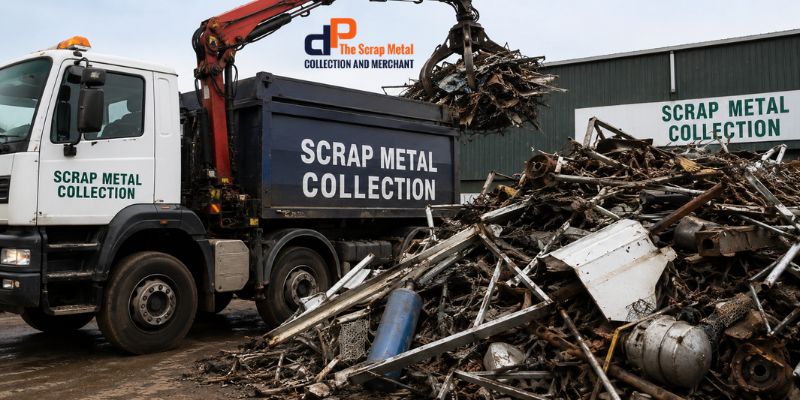
If you want to upgrade your house by buying new home appliances or clean your warehouse by getting rid of some machinery, then you will generate a lot of scrap metals. Although people generally think that they are useless, actually there is much value in them. Choosing a professional scrap metal collection service not only helps clear your space efficiently but also ensures valuable materials are recycled responsibly instead of ending up in landfill.
Homeowners receive the benefit of a safer and cleaner property as a result of the periodic metal collection, where bulky items that could be potential dangers will no longer clutter their property. Businesses have an advantage of being able to free up storage space and increase safety in the work environment, among other factors.
Companies like DP The Scrap Metal are aware of the need for safety, legality, and environmental recycling. No matter what type of project is at hand, whether it is one-off domestic collection or continuous commercial scrap metal collection, knowing how the process works will help make better decisions.
Why Scrap Metal Recycling Matters More Than Ever
Recycling metal is rare amongst materials since they can recycle it continuously without altering their inherent properties. Recycling metal is important since it lessens the need to mine for raw materials and reduces carbon footprints. Professional collection services not only help in reducing a lot of waste from landfills but also contribute towards industries that require recycled goods for production.
For homeowners and businesses alike, responsible recycling offers practical benefits including:
- Reduced waste disposal costs
- Improved property safety
- Better organisation and usable space
- Lower environmental impact
- Compliance with waste management regulations
- Potential financial returns for valuable metals
Understanding a Professional Scrap Metal Collection Service
A reliable scrap metal collection service does much more than simply pick up unwanted materials.
Professional collectors typically:
- Assess the type and quantity of metal
- Separate recyclable materials
- Ensure safe loading and transport
- Process materials at licensed recycling facilities
- Follow current environmental regulations
- Provide documentation where required for commercial collections
A proper procedure is maintained to ensure proper recycling without any damage to either customers or the environment.
Ferrous Metals Commonly Collected
Among the early stages involved in recycling metals, distinguishing between the type of metals, i.e., ferrous and non-ferrous, is one of the initial stages.
Ferrous metals contain iron and are generally magnetic.
Examples include:
- Structural steel
- Cast iron
- Steel beams
- Metal fencing
- Roofing sheets
- Industrial machinery
- Car body panels
- Steel pipes
- Old radiators
Even though ferrous metals are known to have lesser resale value when compared with other metals, they continue to be some of the most commonly recycled metals.
Non-Ferrous Metals Often Have Higher Value
While steel and iron comprise ferrous metals, non-ferrous metals lack iron in their composition. Non-ferrous metals are more corrosion-resistant than ferrous metals, thus fetching higher prices during recycling.
Common examples include:
- Copper wiring
- Brass fittings
- Aluminium window frames
- Aluminium cans
- Stainless steel
- Lead
- Zinc
- Nickel
- Electrical cables
Effective sorting increases efficiency in recycling, while at the same time ensuring that customers get fair prices for the recyclables.
Residential Collection: Helping Homeowners Reclaim Space
Many people do not realize that there can be quite a lot of recyclable materials sitting idle in their homes.
Common household examples include:
- Broken washing machines
- Old refrigerators
- Rusted outdoor furniture
- Metal bed frames
- Garden tools
- BBQ grills
- Shelving
- Exercise equipment
- Gates and fencing
Using a professional scrap metal collection service removes the need for multiple trips to recycling centres while ensuring heavy items are handled safely.
This becomes especially useful during:
- Home renovations
- Garage clear-outs
- Garden landscaping projects
- Property sales
- Estate clean-outs
Supporting Businesses Through Commercial Scrap Metal Collection
Industrial facilities, construction firms, manufacturing facilities, warehouses, workshops, and retailers often produce larger amounts of recyclable metals.
Professional commercial scrap metal collection helps businesses:
- Maintain organised workspaces
- Improve workplace safety
- Reduce storage costs
- Meet environmental obligations
- Minimise production interruptions
- Simplify ongoing waste management
Many companies have decided to opt for scheduled collections instead of allowing waste to pile up, which helps improve efficiency during the course of the year.
Businesses working with DP The Scrap Metal often benefit from planned collection schedules that reduce downtime while supporting responsible recycling practices.
Why Working With a Licensed Scrap Metal Merchant Matters
Not every collector operates to the same professional standard. Choosing a licensed scrap metal merchant provides important advantages.
These include:
Legal Compliance
Licensed operators follow current waste management regulations, helping customers avoid potential legal issues.
Accurate Material Assessment
Experienced teams correctly identify valuable recyclable metals, ensuring materials are sorted appropriately.
Safe Collection Practices
Heavy machinery, sharp metal edges, and industrial waste require specialised handling procedures that reduce injury risks.
Responsible Recycling
Licensed collectors ensure materials reach approved recycling facilities rather than illegal dumping sites.
The Importance of an Environment Agency Waste Carrier
Before arranging collection, it’s worth confirming that your chosen provider holds the appropriate environment agency waste carrier registration where applicable.
This demonstrates that waste is transported legally and responsibly while maintaining traceability throughout the recycling process.
For commercial clients especially, using registered waste carriers supports environmental compliance and provides additional confidence that recyclable materials are managed correctly.
Expert Advice Before Scheduling a Collection
To make your collection faster and more efficient:
- Separate metal from general waste whenever possible.
- Keep copper, aluminium, and brass separate from steel if practical.
- Remove obvious non-metal attachments where safe.
- Create clear access for collection vehicles.
- Estimate quantities accurately before requesting a quote.
- Photograph larger loads to assist with collection planning.
These simple preparations help reduce loading times and improve the overall recycling process.
How the Scrap Metal Collection Process Works
A professional scrap metal collection service follows a structured process that protects both customers and the environment. Understanding each stage helps homeowners and businesses know what to expect.
1. Request a Collection
The process begins with sharing details about the type, quantity, and location of your scrap metal. Photos are often helpful for larger collections or industrial materials.
2. Receive a Transparent Assessment
An experienced team evaluates the collection requirements, identifies recyclable materials, and explains the collection method. Reliable providers are upfront about pricing, collection times, and any preparation required before arrival.
3. Safe Collection and Loading
Heavy equipment, bulky machinery, and sharp metal can present safety risks if handled incorrectly. Professional teams use suitable lifting equipment and safe loading techniques to minimise property damage and workplace hazards.
4. Material Sorting
Once collected, metals are carefully separated into ferrous and non-ferrous metals. Proper sorting improves recycling efficiency and ensures valuable materials are processed correctly.
5. Processing for Sustainable Recycling
The sorted materials are delivered to authorised recycling facilities where they are processed into reusable raw materials. Sustainable recycling reduces landfill waste, conserves natural resources, and supports the manufacturing of new products without unnecessary extraction of virgin materials.
Common Mistakes People Make When Recycling Scrap Metal
Even well-intentioned property owners sometimes reduce the value of recyclable materials through avoidable mistakes.
Mixing Metal with General Waste
Combining recyclable metals with timber, plastics, or household rubbish makes sorting more difficult and can delay the recycling process.
Waiting Until Scrap Becomes a Safety Hazard
Large piles of unused metal create trip hazards, reduce usable workspace, and may even attract rust or weather damage. Scheduling collections regularly is often the safest option.
Choosing Unlicensed Collectors
Working with an unverified collector may lead to poor handling practices or improper disposal. Always check that your provider operates as a licensed scrap metal merchant and, where required, is registered as an environment agency waste carrier.
Ignoring Valuable Metals
Many homeowners unknowingly dispose of copper pipes, aluminium frames, brass fittings, and stainless steel without realising these materials have recycling value.
How to Choose the Right Scrap Metal Collection Company
Not every recycling company offers the same level of service. Before booking a collection, consider the following:
- Experience with residential and commercial collections to ensure the team understands different project requirements.
- Transparent communication with clear quotations and no hidden charges.
- Licensed operations that comply with environmental regulations and waste transport requirements.
- Efficient scheduling that minimises delays and business disruption.
- Commitment to Sustainable Recycling through authorised recycling facilities.
- Positive customer reviews demonstrating reliability and professionalism.
These factors help ensure a smooth collection process while protecting both your property and the environment.
Ready to Clear Your Scrap Metal the Smart Way?
Removing unwanted metal doesn’t have to be stressful. Whether you need a one-time scrap metal collection service or regular commercial scrap metal collection, working with experienced professionals ensures materials are handled safely and recycled responsibly.
At DP The Scrap Metal, every collection is carried out with attention to safety, transparency, and environmental compliance. From household appliances to industrial equipment, the team is committed to helping customers dispose of recyclable metals efficiently while supporting sustainable recycling practices.
If you’re planning a property clearance, renovation, or business clean-out, contact us today to arrange a reliable collection. With experienced professionals, licensed operations, and customer-focused service, DP The Scrap Metal continues to be a trusted choice for responsible metal recycling.
Frequently Asked Questions
1. What items can a scrap metal collection service collect?
Most services collect steel, iron, copper, aluminium, brass, stainless steel, appliances, machinery, pipes, fencing, roofing sheets, and many other recyclable metal products.
2. Why is commercial scrap metal collection beneficial for businesses?
Regular commercial scrap metal collection improves workplace safety, frees valuable storage space, supports environmental compliance, reduces waste management costs, and keeps business operations organised.
3. How do I know if a collector is licensed?
Always ask whether the company operates as a licensed scrap metal merchant and holds the required environment agency waste carrier registration before booking.
4. Should I separate different types of metal before collection?
Separating ferrous metals and non-ferrous metals where possible helps speed up processing, improves recycling efficiency, and may increase the value of recyclable materials.
5. Why is sustainable recycling important?
Sustainable recycling conserves natural resources, reduces landfill waste, lowers carbon emissions, and allows valuable metals to be reused repeatedly without sacrificing quality.


