
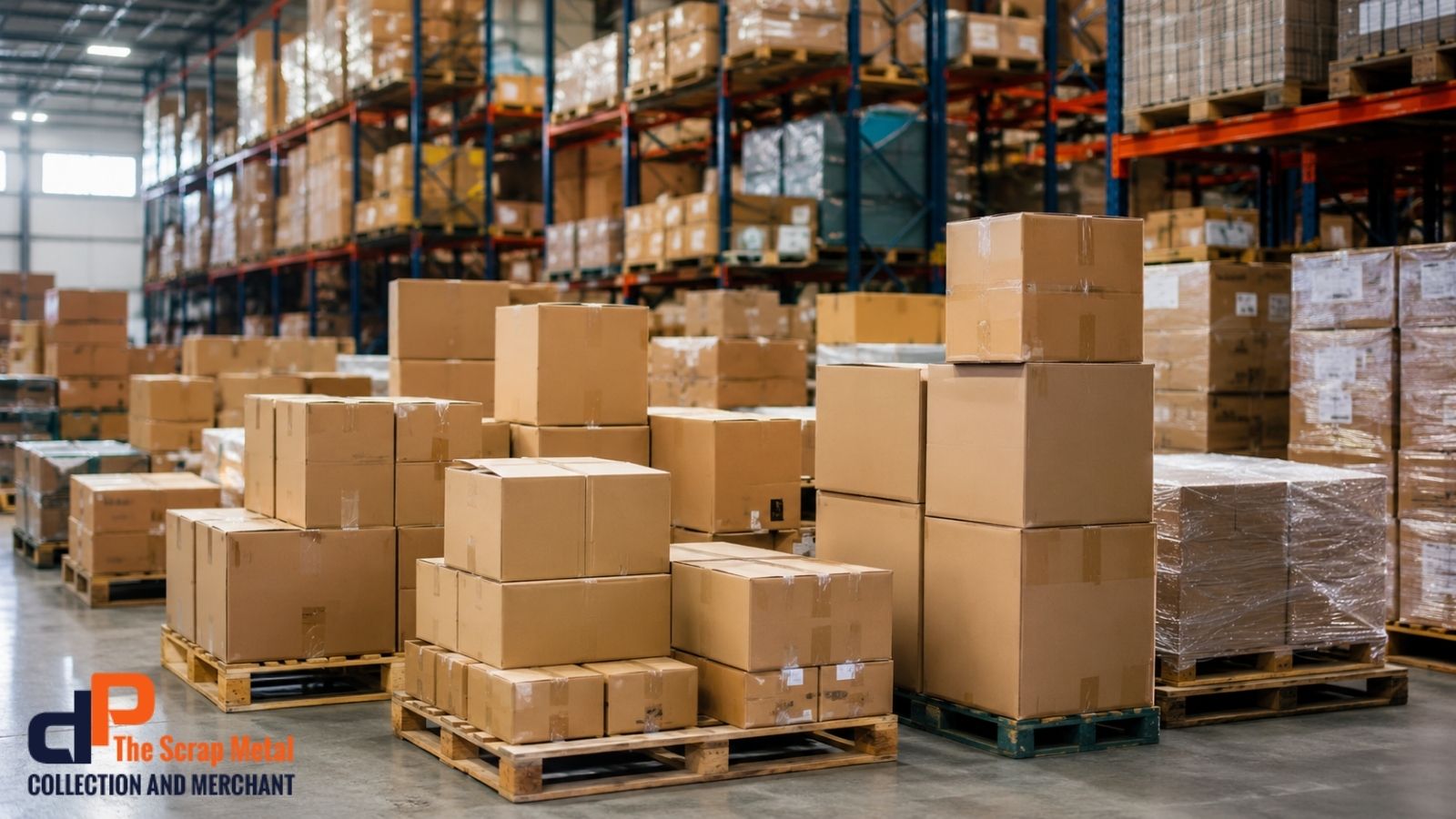
Warehousing clearance does not just mean getting rid of the clutter. The old machines, scrap metal, packing material, broken equipment, and waste materials will take up space pretty fast. These could also pose hazards. To do the clearance work effectively, you might need warehouse clearance service.
By carefully organizing your warehousing clearance process, you can make the entire exercise easy and safe. The following guide takes you through the steps.
What Is Warehouse Clearance?
Warehouse clearance involves removing unwanted materials, equipment, waste, and other items from a commercial or industrial site.
A clearance may be needed when:
- A warehouse is closing
- A business is moving
- Old equipment needs removal
- Stock or materials are no longer in need
- A site needs preparation for new use
- Industrial waste has built up over time
A professional warehouse clearance guide will be able to evaluate the site. It will also provide proper disposal or recycling facilities. This will depend on the nature and quantity of the material in question.
Why Proper Warehouse Clearance Matters
An unused warehouse with scrap and other waste materials can be hard to manage. This may limit the usable storage space. This can create dangers.
Proper clearance of warehouses will help businesses:
- Create more usable space
- Improve site organization
- Reduce unnecessary waste
- Separate recyclable materials
- Remove unwanted equipment
- Improve workplace safety
- Prepare the site for its next use
Good planning is important. Different materials may need different handling and disposal methods.
Common Materials Found During Warehouse Clearance
Every site is different. However, warehouses often contain a mixture of recyclable materials, general waste, equipment, and unwanted stock.
Common materials may include:
- Steel
- Aluminium
- Copper
- Brass
- Electrical equipment
- Old machinery
- Metal shelving
- Pallets
- Packaging
- Plastic materials
- Damaged stock
- Building materials
- General commercial waste
Identification and separation should take place first. This makes the clearance process more organized. This can increase the amount of material that needs recycling.
Industrial Warehouse Clearance
Industrial warehouse clearance often involves larger quantities of material and heavier equipment than a standard commercial clean-up.
For example, an industrial site may contain:
- Heavy machinery
- Metal frames
- Storage systems
- Production equipment
- Large quantities of scrap
- Factory equipment
- Old tools
- Electrical components
These materials may require suitable vehicles, lifting equipment, trained workers, and careful planning.
Industrial Waste Management
Successful industrial waste management begins by recognizing the waste correctly. By mixing up the waste, its handling becomes difficult.
A practical approach is to:
- Identify the waste
- Separate materials where possible
- Keep recyclable items apart
- Identify any materials requiring special handling
- Arrange suitable collection and transport
- Use authorized waste facilities where required
- Keep relevant records
The goal is to reduce unnecessary landfill waste while keeping the site safe and organized.
Scrap Metal: What Can Be Recycled?
Scrap metal can make up a large part of an industrial clearance.
Common recyclable metals include:
- Steel
- Stainless steel
- Aluminium
- Copper
- Brass
- Lead
- Mixed metal items
The value of scrap depends on the type, quality, quantity, and current market conditions. Separating metals before collection can make processing easier. It may also help businesses understand what materials they are sending for recycling.
Metal Recycling During Warehouse Clearance
We know that metal recycling is an important part of responsible warehouse clearance.
A typical process may include:
Collection → Sorting → Separation → Processing → Recycling
Metal objects might require dismantling before transportation. It needs careful planning, particularly for machinery and large structures.
The company should prevent the recyclable material from getting any unnecessary contaminants as much as possible.
Factory Clearance
A factory clearance might be harder than the usual warehouse clearance. There is
- Machinery
- Equipment
- metal structures
- Electrical
- Storage
- industrial waste in factories.
It is important to do the assessment first before starting the job.
Important considerations include:
- Access for removal vehicles
- Weight and size of equipment
- Safe lifting methods
- Electrical isolation
- Restricted areas
- Material separation
- Waste classification
- Recycling options
A clear removal plan helps reduce delays. It keeps workers and other people on the site safer.
Commercial Waste Management
A commercial waste can include many different materials. This may include packaging, office waste, damaged stock, plastic, timber, metal, and general rubbish. Businesses should avoid treating every material as general waste.
Where practical, separate:
- Metal
- Cardboard
- Paper
- Plastic
- Timber
- General waste
- Reusable items
This will result in better recycling rates and fewer materials disposal at landfills.
Preparation Tips for Warehouse Clearance
Good preparation can make the clearance much easier.
Step 1: Inspecting the Warehouse
Visit the warehouse and list all items that need removal. List all equipment, scrap, waste, stock, and usable items.
Step 2: Separating Materials
Separate materials according to recyclables, waste, reusable, and equipment categories.
Step 3: Check Access
Consider loading bays, doors, vehicle access, ramps, stairs, and other restrictions. Large equipment may need a different removal plan.
Step 4: Plan the Work
Decide which materials need removal first. Keep important access routes clear throughout the job.
Step 5: Arrange Collection
Choose a suitable warehouse clearance service for the size and type of clearance. Ask what materials they can collect. Ask how they handle recyclable materials.
Choosing a Warehouse Clearance Service
Not every clearance company handles industrial waste or scrap metal in the same way.
Before choosing a provider, ask about:
- Experience with industrial sites
- Waste collection capabilities
- Scrap metal handling
- Recycling processes
- Appropriate transport
- Waste documentation
- Site safety procedures
- Insurance and relevant qualifications
An authorized company must be clear on the procedure for clearance before starting. Do not choose your service provider solely based on cost. It is possible that the least expensive choice is not able to offer you the equipment, handling procedure, or recycling facilities.
Why Use a Waste Carrier?
The right waste carrier can make warehouse clearance much easier. They can move waste from your warehouse to the correct recycling or disposal facility. An authorized carrier knows how to transport waste safely and correctly. Good records can also help your business track its waste management.
Safety During Warehouse Clearance
Safety should always come first. Warehouses may have heavy items, sharp metal, unstable materials, machinery, and electrical equipment.
Before clearance begins:
- Keep unauthorized people away from the work area
- Check for heavy or unstable items
- Use the right lifting equipment
- Wear suitable safety gear
- Keep walkways clear
- Follow all site safety rules
- Isolate equipment when needed
- Do not take apart equipment you do not know how to handle
If you find hazardous or unknown materials, stop work. Do not move them until you get the right professional advice.
Common Warehouse Clearance Mistakes
There are a few mistakes that you can easily avoid with good preparation.
Mixing All Waste Together
Mixed waste is harder to sort and recycle. Separate materials whenever practical.
Ignoring Scrap Metal
Metal can often be recycled. Sending it away as general waste may waste a useful resource.
Starting Without a Site Plan
Poor planning can lead to blocked access, delays, and extra handling work.
Underestimating Heavy Equipment
Machinery and large metal structures may require specialist lifting and removal methods.
Choosing a Provider Without Checking Their Services
Make sure the provider can handle the types and quantities of waste on your site.
A Simple Warehouse Clearance Checklist
Use this checklist before starting your clearance:
- Inspect the entire warehouse
- List unwanted items
- Separate scrap metal
- Separate recyclable materials
- Identify heavy equipment
- Check vehicle access
- Identify possible hazards
- Plan the removal order
- Choose an appropriate waste carrier
- Confirm recycling and disposal arrangements
- Keep relevant waste records
- Complete a final site check
A simple checklist can help prevent overlooked items and unnecessary delays.
How to Reduce Waste During a Clearance
Warehouse clearance does not always mean everything needs to be thrown away.
Before disposal, consider whether an item can be:
- Reused
- Repaired
- Resold
- Donated
- Recycled
- Repurposed
Metal should be assessed for recycling. Equipment may also have resale or reuse value. This approach can reduce waste and help businesses make better use of existing resources.
Final Thoughts
A successful warehouse clearance service starts with good planning and a clear site check. First, identify the items that need to be removed. Then, separate materials that can be recycled. An industrial warehouse clearance can produce a large amount of waste. This may include heavy steel, commercial materials, and other types of industrial waste.
Proper industrial warehouse clearance also helps prevent useful materials from going to landfill. Metal recycling is a simple way to reuse many types of metal. A professional waste carrier can collect these materials and take them to the correct recycling or disposal facility.
Good planning can make a clearance project easier and faster. It also helps businesses manage waste correctly and recycle more materials.
For a commercial warehouse clearance or factory clearance, inspect the site before work begins. Identify the items that need to be removed and separate recyclable materials where possible. DP The Scrap Metal Collection and Merchant can also provide guidance for scrap metal-related needs.
FAQS
1. What does a warehouse clearance service include?
A warehouse clearance service can include removing unwanted stock, equipment, scrap metal, machinery, packing materials, and commercial waste. The exact work depends on the size and needs of the site.
2. Can scrap metal be recycled during a warehouse clearance?
Yes. Materials such as steel, aluminium, copper, brass, and other metals can often be separated for recycling. The materials should be identified and sorted before removal.
3. What is the difference between warehouse clearance and factory clearance?
A warehouse clearance usually involves removing stock, materials, equipment, shelving, packing materials, and commercial waste. A factory clearance may involve larger machinery and heavier equipment.
4. How should industrial waste be handled?
Industrial waste needs identification and separation where possible. Different materials may need different recycling or disposal methods. A waste professional can help decide the correct way to handle each type of waste.
5. How can I choose the right waste carrier?
Choose a waste carrier who has experience with your type of site and waste. Ask about their collection service, recycling process, transport, and waste records. Also check that they have the required licenses and registrations for the work.


