
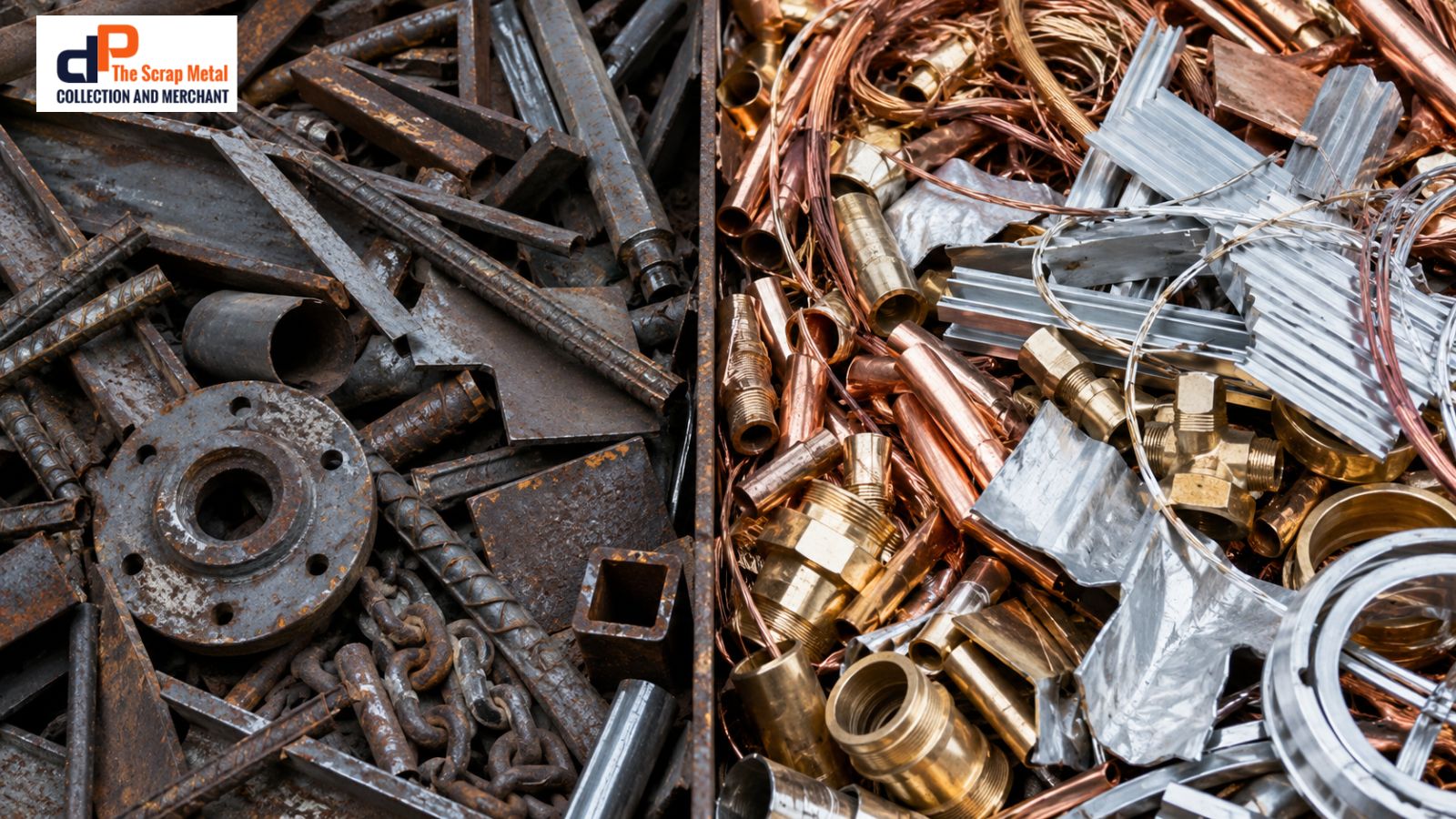
Selling scrap metal can look straightforward until you start sorting through different grades, alloys and mixed materials. A pile containing old machinery, electrical cable, aluminium frames and stainless steel may contain several different metal categories, each with different properties and market value. Understanding Ferrous & Non-Ferrous Metal Collection can therefore help you sort materials more effectively, avoid contamination and have a clearer idea of what you are selling. Whether you are clearing a workshop, renovating a property or managing industrial offcuts, knowing the difference between ferrous and non-ferrous metals is a practical first step.
What Is Scrap Metal and Why Does Classification Matter?
Scrap Metal is not simply unwanted metal. It is a recoverable resource that can be processed and returned to manufacturing streams rather than being discarded. However, scrap metal is made up of many different materials, and their composition affects how they are handled, processed and valued.
The most useful starting point is Metal Classification. Scrap is broadly divided into two groups: ferrous metals, which contain iron as their primary component, and non-ferrous metals, which do not contain significant amounts of iron. This distinction is important because the metals behave differently during processing and have different physical characteristics.
For someone preparing material for collection, classification can make the process much easier. Separating obvious steel from aluminium, copper or brass reduces contamination and helps a recycler process each material appropriately.
Ferrous Metals: The Iron-Based Group
Ferrous Metals contain iron and are widely used because they offer strength, durability and, in many applications, relatively economical manufacturing characteristics. Common examples include mild steel, carbon steel and cast iron.
You will find ferrous materials in many everyday and commercial items, including:
- Structural steel
- Steel pipes and beams
- Vehicle components
- Machinery and equipment
- Old tools
- Steel fencing
- Cast-iron components
- Construction offcuts
A simple visual inspection can sometimes help identify ferrous material, but appearance alone should not be treated as definitive. A magnet is often a useful first screening tool because many iron-based metals are magnetic.
However, there are exceptions. Some stainless steels have different magnetic behaviour depending on their composition and manufacturing process. That is why experienced scrap handlers avoid relying exclusively on a magnet when determining the exact material.
Non-Ferrous Metals and Their Value
Non-Ferrous Metals do not have iron as their primary constituent. They are often valued for characteristics such as corrosion resistance, electrical conductivity, light weight or durability.
Common examples include Copper, Brass, Aluminium and certain other specialised alloys. These materials appear in household, construction, automotive, manufacturing and electrical applications.
Non-ferrous scrap can include:
- Copper cable and wire
- Aluminium window frames
- Brass fittings
- Aluminium sheet
- Copper pipe
- Brass valves
- Certain stainless-steel grades
- Metal components made from specialised alloys
One practical reason these materials should be separated carefully is that mixing different metals can make identification and processing more difficult. A clean load containing one clearly identifiable material is generally easier for a recycler to assess than a mixed pile containing numerous unknown items.
Copper: A Common Non-Ferrous Scrap Metal
Copper is particularly common in electrical and plumbing applications. It has excellent electrical and thermal conductivity, which makes it valuable as a reusable industrial material.
Old electrical cable, copper pipe and certain components can contain recoverable copper. However, the value and handling requirements can differ depending on whether the copper is clean, insulated, mixed with other materials or attached to fittings.
For example, a length of clean copper pipe is materially different from insulated electrical cable. Both contain copper, but the additional insulation changes how the material is prepared and processed.
Brass: Recognising a Copper-Zinc Alloy
Brass is primarily an alloy of copper and zinc and is commonly found in taps, valves, fittings, locks, decorative components and plumbing hardware. Its yellow-gold appearance can make it relatively easy to recognise, although surface finishes and oxidation can make visual identification less reliable.
Before selling brass, it is worth removing obvious non-metal attachments where appropriate and separating it from copper and other materials. Keeping different metals organised makes the collection process more efficient and reduces uncertainty about what is actually in the load.
Aluminium: Lightweight but Widely Used
Aluminium is a lightweight non-ferrous metal used extensively in construction, transport, packaging and manufacturing. Window frames, doors, vehicle components, machinery parts and sheet materials are common sources of aluminium scrap.
One practical mistake is assuming that all aluminium is worth the same. Different forms and levels of contamination can affect how material is classified. Aluminium with attached plastic, rubber, steel or other components may require different handling from clean aluminium.
Stainless Steel: Why It Can Cause Confusion
Stainless steel is one of the more frequently misunderstood materials in scrap sorting. Although it is classified within the broader ferrous family because it is an iron-based alloy, some stainless-steel grades have different magnetic properties from ordinary carbon steel.
This means the common “magnet test” has limitations. A non-magnetic response does not automatically mean that an item is aluminium or another non-ferrous metal. Stainless steel can also contain valuable alloying elements such as chromium and nickel, depending on the grade.
When identification is uncertain, it is better to ask for the material to be assessed rather than guessing based purely on appearance.
Types of Scrap Metal You May Encounter
Understanding the Types of Scrap Metal found in everyday environments can make sorting much more practical. Scrap may come from household clean-outs, building projects, manufacturing operations, vehicle repairs, agricultural equipment or demolition work.
Typical categories include:
Ferrous scrap: Steel and cast iron are common examples, particularly in machinery, construction materials and vehicle components.
Non-ferrous scrap: Copper, aluminium and brass are frequently encountered in electrical, plumbing, construction and household applications.
Mixed metal items: Appliances, machinery and fabricated components can contain several metals and non-metal materials at once.
Prepared scrap: Clean, separated and easily identifiable material is generally simpler to handle than heavily contaminated or mixed items.
The important point is that classification is not merely about recognising a metal’s colour. Composition, attachments, contamination and form can all influence how material is assessed.
Recycling: What Happens After Collection?
Recycling scrap metal involves considerably more than putting unwanted materials into a collection pile. Once collected, metal is sorted, processed and prepared for use as a secondary raw material.
The exact processing route depends on the metal. Ferrous materials may be separated using magnetic equipment, while non-ferrous metals require other sorting and processing techniques. Metals can then be prepared for further industrial processing.
This recovery process has an important resource-efficiency benefit. Recycling existing metal can reduce the need to obtain and process additional virgin raw materials. It also keeps useful materials within manufacturing cycles instead of sending recoverable metal unnecessarily to landfill.
For businesses, workshops and property owners, this makes responsible Scrap Metal Recycling a practical waste-management consideration rather than simply a way of clearing unwanted materials.
How to Sort Scrap Metal Before Selling
Good preparation does not require specialist machinery. A few sensible steps can make a significant difference.
Separate Ferrous and Non-Ferrous Materials
Start by creating separate groups for obvious steel and iron-based materials and for copper, brass and aluminium. Keeping the categories apart makes subsequent assessment easier.
Remove Obvious Contamination Where Practical
Plastic, rubber, insulation, timber and excessive dirt can complicate sorting. Where these materials can be removed safely and without damaging the metal, doing so may make the material easier to classify.
Keep Similar Metals Together
Do not automatically combine copper, brass and aluminium simply because they are all non-ferrous. Their compositions are different, so maintaining separate groups provides better material clarity.
Avoid Unsafe Dismantling
Do not dismantle sealed equipment, pressurised components, electrical systems or potentially hazardous items simply to recover metal. Safety should take priority over obtaining a cleaner scrap load.
Common Mistakes When Selling Scrap Metal
Mistaking Appearance for Composition
A shiny silver-coloured item is not necessarily aluminium or stainless steel. Surface finishes, coatings and oxidation can make visual identification misleading.
Assuming Every Magnetic Item Is the Same
Magnetism is useful for initial sorting but does not establish the precise alloy or grade. Stainless steel demonstrates why additional identification may sometimes be necessary.
Mixing Valuable Materials Into General Scrap
Putting copper or brass into a mixed steel pile can make the overall load harder to classify. Basic separation before collection is therefore worth the effort.
Ignoring Attached Materials
An item may contain a valuable metal but also have significant plastic, insulation or other materials attached. Understanding the condition of the material helps set realistic expectations before collection.
Expert Tips for Better Scrap Metal Collection
From a practical handling perspective, the best approach is to sort before you transport. Trying to classify a large mixed load at the last minute is more difficult and increases the likelihood of misidentification.
Keep a separate container or designated area for each major category as materials accumulate. If you are clearing a workshop, for example, place steel offcuts in one area while keeping copper cable, brass fittings and aluminium components separate.
It is also useful to photograph unusual or questionable items before collection. If you are unsure whether a component is stainless steel, brass, aluminium or another alloy, having a clear image and information about where the component came from can assist with identification.
For larger commercial or industrial quantities, maintain basic records of the material types and approximate volumes. This can make future collections more organised and help identify recurring scrap streams.
How Scrap Metal Recycling Supports Responsible Resource Recovery
Responsible Scrap Metal Recycling gives recovered materials another useful pathway after their original purpose has ended. Instead of treating metal as disposable waste, recycling recognises that many metals can be recovered and reintroduced into industrial supply chains.
For homeowners, this can be relevant when replacing fencing, clearing a garage or disposing of old equipment. For businesses, regular metal recovery can form part of a broader waste-management system, particularly where fabrication, construction, maintenance or manufacturing generates recurring metal offcuts.
The most effective approach is straightforward: identify what you have, separate materials where practical, avoid unnecessary contamination and seek appropriate guidance when material classification is uncertain.
Conclusion: Know Your Metal Before You Sell
Understanding Ferrous & Non-Ferrous Metal Collection is ultimately about making informed decisions. Recognising the difference between Ferrous Metals and Non-Ferrous Metals, understanding the common Types of Scrap Metal, and separating materials such as Copper, Brass, Aluminium and Stainless Steel can make preparation considerably easier.
For homeowners, tradespeople and businesses, the most useful habit is simple: identify, separate and prepare safely. If you are uncertain about a particular alloy or mixed-metal item, obtaining an informed assessment is better than making assumptions. DP The Scrap Metal can provide practical guidance for those looking to understand their scrap materials and prepare them appropriately for collection, while keeping safety and responsible resource recovery at the centre of the process.
FAQs
1. What is the main difference between ferrous and non-ferrous metals?
The fundamental distinction is iron content. Ferrous metals are iron-based, while non-ferrous metals do not contain iron as their primary constituent. Steel and cast iron are common ferrous examples, while copper, brass and aluminium are non-ferrous. However, alloy composition can make individual materials more complicated, so a simple visual or magnet test should not always be treated as conclusive.
2. Is copper better to separate from other scrap metals?
Yes, keeping copper separate is sensible because it is a distinct non-ferrous material with characteristics that differ from steel, aluminium and brass. Copper cable, pipe and clean copper components should ideally be kept organised rather than mixed into a general metal pile. The condition of the copper and any attached insulation or fittings can also affect its classification.
3. Can a magnet identify all ferrous metals?
No. A magnet is useful as an initial sorting tool, but it cannot identify every ferrous alloy reliably. Certain stainless-steel grades, for example, can have weak magnetic responses or behave differently from ordinary steel. If material identity matters, particularly for a larger quantity, additional assessment may be appropriate rather than relying solely on magnetism.
4. Should I remove plastic and insulation before selling scrap?
It depends on the material, quantity and the safety involved. Removing easily detachable non-metal components can make scrap easier to sort, but dismantling electrical equipment or other potentially hazardous items may create unnecessary risks. Never sacrifice safety simply to make a load appear cleaner. When in doubt, ask the recycler how a particular material should be prepared.
5. Why is metal classification important before collection?
Metal classification helps separate materials according to their composition and processing requirements. It can reduce contamination, make collection more organised and provide a clearer understanding of what is being presented for assessment. Whether you are dealing with steel, copper, brass, aluminium or stainless steel, basic sorting can make the overall scrap-handling process more efficient.


