
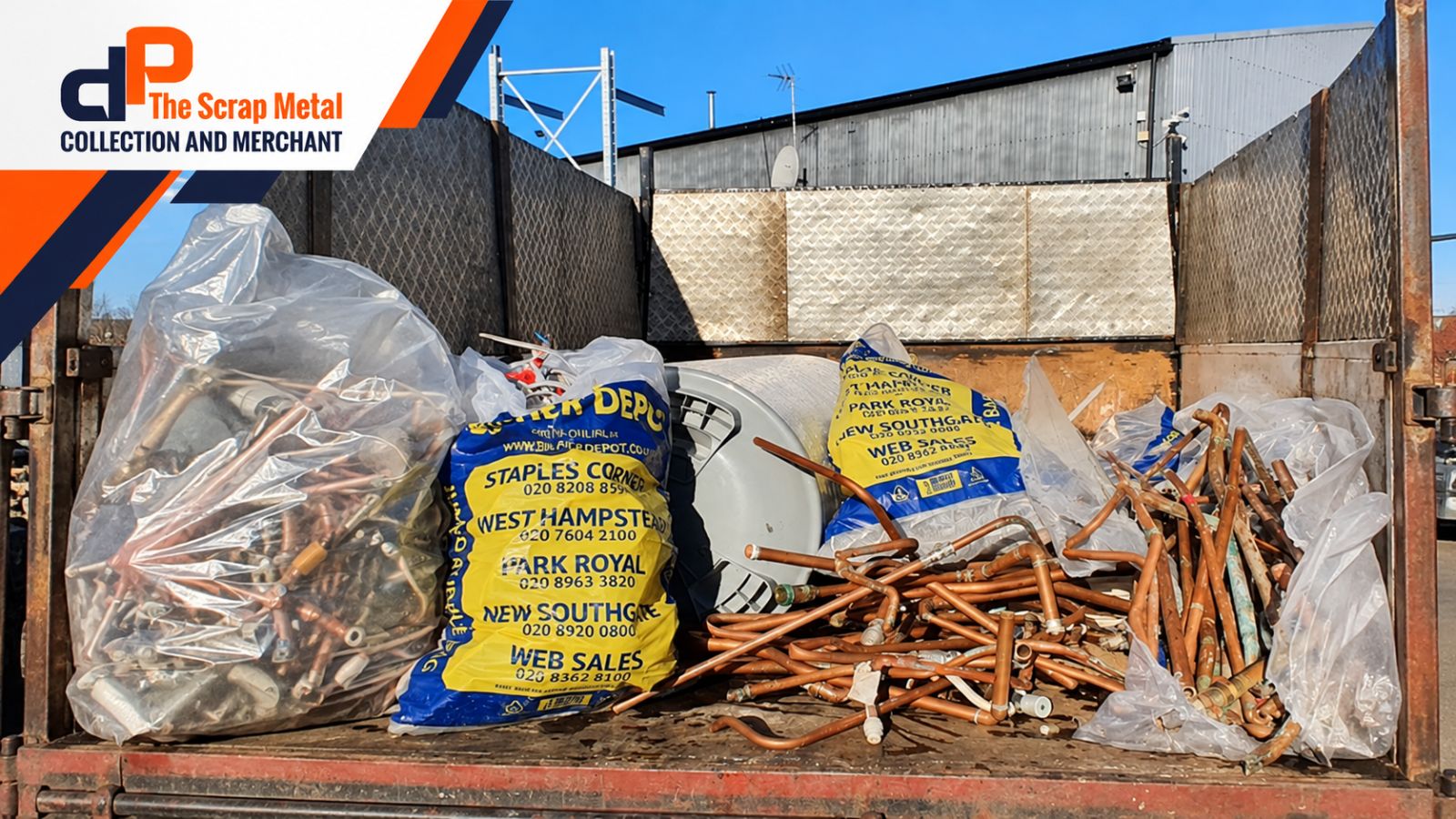
Metal waste can accumulate surprisingly quickly in commercial environments. A few damaged components, obsolete equipment, offcuts from fabrication work, discarded shelving or old machinery may not seem significant individually. Over several weeks or months, however, these materials can occupy valuable space, create handling problems and make a workplace harder to manage.
Regular Commercial Scrap Metal Collection gives businesses a practical way to keep unwanted metal moving out of operational areas while supporting responsible resource recovery. Instead of allowing scrap to become an afterthought, businesses can treat collection as part of their normal waste-management and sustainability planning.
Why Regular Scrap Collection Matters for Businesses
Commercial workplaces generate different types of scrap depending on their activities. A fabrication workshop may produce steel offcuts and aluminium pieces, while a warehouse may accumulate damaged racks, metal pallets or obsolete equipment. Construction and renovation businesses can generate plumbing components, cables, fixtures and structural offcuts.
When these materials are left until a storage area is completely full, several problems can develop. Scrap can obstruct walkways, occupy loading areas and make it difficult to separate usable materials from general waste.
Regular Scrap Collection creates a more controlled process. Staff know where unwanted metal should be placed, when it will be removed and how different materials should be handled. This makes waste management less dependent on occasional clean-outs.
From an operational perspective, consistency is often more useful than waiting for a large quantity of material to accumulate.
Commercial Waste Can Become an Operational Problem
Commercial waste is not simply a disposal issue. The way waste is stored can influence workplace organisation, productivity and safety.
Imagine a manufacturing business that keeps several bins of metal offcuts near a production area. Initially, the arrangement may seem manageable. After several months, the bins become overloaded. Workers need to move material around them, forklift access becomes restricted and valuable floor space is lost.
A scheduled collection system changes the situation. Scrap is removed before storage becomes excessive, leaving the work area easier to navigate.
Factory Scrap Requires Consistent Handling
Factory scrap can include steel, stainless steel, aluminium, copper and other metals depending on the production process. Some pieces may be clean offcuts, while others may be attached to components, coatings or other materials.
Separating these materials at the point where they become waste can make later handling considerably easier. It also reduces the chance that recyclable metal will become mixed with general commercial waste.
A useful approach is to establish clearly identified collection areas and simple internal procedures. Employees should understand what belongs in each container and what materials require separate handling.
This does not need to be complicated. A practical system that workers actually follow is usually more valuable than a highly detailed procedure that becomes difficult to maintain.
Metal Recycling Can Recover Value From Unwanted Materials
One of the main reasons businesses should take scrap seriously is that unwanted metal is not necessarily worthless. Many metals can enter recycling and recovery streams instead of being treated as ordinary waste.
Metal Recycling involves collecting, sorting, processing and recovering metals so that suitable material can return to manufacturing or other productive uses.
The exact recovery process depends on the material. Ferrous metals such as steel and iron are handled differently from non-ferrous metals such as aluminium and copper. Clean, separated materials are generally easier to identify and process than mixed loads.
Metal Recovery Begins With Better Separation
Businesses can improve the efficiency of their recycling process by separating materials before collection.
For example, a workshop may create separate areas for:
- Steel offcuts
- Aluminium pieces
- Copper components
- Stainless steel
- Mixed metal items
- Damaged metal equipment
The appropriate categories will depend on the business and the materials it generates.
Good separation also gives businesses a clearer picture of what they are throwing away. Over time, this information can reveal where material is being wasted and whether purchasing or production processes could be improved.
Industrial Recycling Supports More Sustainable Operations
Industrial Recycling is closely connected with resource efficiency. Businesses that recover metal are not simply removing waste from their premises; they are participating in a broader material recovery process.
Metal can often be recycled repeatedly without losing all of its useful properties. Recovering suitable scrap therefore reduces the need to treat every unwanted metal item as a disposal problem.
For businesses working toward more Sustainable Operations, regular scrap collection can form one part of a broader environmental strategy.
This can sit alongside other measures such as reducing packaging, improving equipment efficiency, reusing materials where practical and monitoring general waste generation.
The important point is to keep sustainability connected to actual operations. A recycling procedure works best when it fits naturally into the daily workflow rather than existing only as a policy document.
How Business Scrap Collection Can Improve Workplace Organisation
Business Scrap Collection can make storage areas easier to manage because unwanted materials are removed according to a planned schedule.
This is particularly useful for businesses where space is limited. Warehouses, workshops and commercial premises often need every usable square metre for inventory, equipment, vehicles or production activities.
When scrap is allowed to accumulate, it can gradually take over areas that were never intended to become long-term storage zones.
Avoid Turning Valuable Space Into Scrap Storage
A business may have an unused corner that initially appears ideal for scrap. Over time, that corner can become a permanent collection point filled with obsolete machinery, damaged metal frames and production offcuts.
The problem is not only appearance. Staff may eventually need to move several items to reach something behind the pile. This increases handling time and creates unnecessary disruption.
A scheduled collection removes this pressure by creating a predictable flow:
Generation → Separation → Temporary Storage → Collection → Recovery
The temporary storage stage should remain temporary. The longer material sits unused, the greater the chance that it becomes mixed, damaged or forgotten.
A Scrap Metal Collection Company Can Support a Consistent Schedule
Working with a reliable Scrap Metal Collection Company can help businesses establish a collection routine that matches their actual waste volume.
Not every business needs the same frequency. A small office with occasional metal waste may only require infrequent collection, while a busy fabrication or manufacturing facility may need much more regular removal.
The correct schedule should consider:
- Average scrap volume
- Available storage space
- Type of metal generated
- Production frequency
- Vehicle access
- Workplace safety considerations
- Seasonal changes in business activity
- Whether equipment or site clean-outs occur periodically
The objective is not simply to arrange the most frequent collection possible. It is to find a schedule that prevents unnecessary accumulation without creating inefficient collection cycles.
When Should a Business Schedule Scrap Collection?
There are several signs that a business may need a more structured collection schedule.
If scrap containers regularly become full before collection, the interval may be too long. If staff are storing metal in walkways or operational areas, the current system needs attention. If scrap is frequently mixed with general waste, better separation procedures may be required.
Another warning sign is when employees cannot easily identify where different materials should go.
A useful review can ask:
- How much metal scrap is generated each week?
- Which materials are produced most frequently?
- Where is scrap currently stored?
- How quickly does that storage area fill?
- Are different metals separated?
- Does scrap interfere with normal operations?
- Are employees clear about the collection procedure?
These questions can reveal whether the current approach is working.
Waste Clearance Should Be Planned Around Business Operations
Waste Clearance should not disrupt production unnecessarily. Businesses should consider when scrap can be removed with minimal interference.
For example, a warehouse may prefer collections outside its busiest loading periods. A manufacturing facility may coordinate removal around shift changes or scheduled maintenance.
Site access also matters. Collection vehicles may require sufficient space to enter, position safely and load material. Businesses should keep access routes clear and communicate collection arrangements to relevant staff.
Planning these details in advance can make the process smoother for everyone involved.
Do Not Wait Until a Major Clean-Out
Some businesses only arrange scrap removal when a major site clean-out becomes unavoidable. While this can remove a large volume at once, it can also create a significant temporary workload.
Staff may need to sort months of accumulated material, clear blocked areas and distinguish recyclable metal from general rubbish.
Regular collection spreads this work over time. Instead of one large clean-up, the business maintains a continuous flow of materials out of the workplace.
What Types of Scrap Might Businesses Generate?
Different industries generate different types of Scrap Metal.
Construction businesses may produce reinforcement steel, pipework, framing sections and other metal offcuts. Automotive operations can generate damaged components and metal parts. Fabrication businesses may produce large quantities of cut-offs and rejected pieces.
Warehouses and commercial premises can accumulate metal shelving, damaged trolleys, fixtures and obsolete equipment.
Electrical and mechanical businesses may also generate metal components during installation, replacement and maintenance activities.
The important consideration is that not all scrap should automatically be treated as the same material. Composition, contamination and condition can affect how an item should be handled.
Common Mistakes Businesses Make With Scrap
One common mistake is mixing recyclable metal with general waste. This can make recovery more difficult and may result in material that could otherwise have been recovered being handled as ordinary waste.
Another mistake is allowing scrap to accumulate in unsafe or unsuitable locations.
Businesses can also underestimate the importance of employee awareness. Even a well-designed collection system can fail if workers do not understand where materials should be placed.
Avoid These Common Scrap Management Problems
Businesses should be cautious about:
- Allowing scrap to block access routes
- Mixing different materials unnecessarily
- Leaving sharp metal pieces unsecured
- Overloading containers
- Storing scrap indefinitely
- Failing to communicate collection times
- Treating all metal as identical
- Ignoring changes in scrap volume
- Using operational areas as permanent storage
A regular review can identify these issues before they become larger operational problems.
Practical Tips for Improving Commercial Recycling
A successful Commercial Recycling system should be straightforward enough for employees to use every day.
Start by identifying the main categories of scrap generated by the business. Create clearly marked collection points and keep them close enough to production or work areas that employees can use them without taking unnecessary trips.
Train staff on basic separation requirements and explain why the system exists. Employees are more likely to follow procedures when they understand the practical benefit.
Track approximate volumes over several collection cycles. This can help determine whether collection frequency should be adjusted.
Review the System as the Business Changes
A collection schedule that worked for a small operation may not work after production increases.
New machinery, additional employees, expanded premises or changes in manufacturing processes can significantly alter the amount of scrap generated.
For this reason, businesses should review their collection arrangements whenever their operations change rather than assuming the original schedule will remain appropriate indefinitely.
When Metal Recovery Makes More Sense Than Disposal
The decision to recover metal should be based on the material, condition and available recovery pathway.
Where suitable metal can be separated and recovered, treating it as a resource rather than simply as rubbish can support better waste management.
Metal Recovery also creates an opportunity to understand material losses within the business. If a workshop repeatedly generates large amounts of a particular metal offcut, management may investigate whether cutting patterns, material purchasing or production methods could reduce waste.
This turns scrap management into an operational learning opportunity.
Expert Advice for Businesses Managing Scrap
From a practical standpoint, the strongest systems are usually the ones that employees can follow without disrupting their main responsibilities.
Do not create a complicated sorting system unless the business generates enough material to justify it. Instead, identify the most meaningful material categories and make them easy to recognise.
Keep collection areas accessible but away from unnecessary pedestrian traffic. Make sure containers are appropriate for the type and volume of material being stored.
Most importantly, establish a routine. Scrap should move through the business rather than gradually becoming permanent storage.
How Regular Collection Supports Sustainable Business Practices
Regular collection contributes to sustainable operations by encouraging businesses to think about materials as resources rather than simply waste.
When scrap is separated and collected consistently, businesses gain greater visibility over their material flows. They can identify recurring waste patterns, improve housekeeping and potentially reduce avoidable material losses.
This approach also supports the principles of Industrial Recycling and responsible resource management without requiring sustainability to become disconnected from normal business activities.
For many businesses, the most effective environmental improvements are practical ones that can be incorporated into existing processes.
Final Thoughts
Regular scrap collection is more than a housekeeping task. For businesses that generate metal waste consistently, it can support better workplace organisation, more efficient use of space, improved material separation and responsible resource recovery.
A planned Commercial Scrap Metal Collection process also makes it easier to identify recurring waste patterns and adjust collection frequency as business operations change. Instead of waiting for scrap to become a storage problem, businesses can build removal into their normal workflow.
For organisations looking to make their scrap handling more consistent, DP The Scrap Metal Collection and Merchant can be considered as part of a practical approach to managing recyclable metal. The focus should remain on creating a collection routine that suits the site’s actual needs rather than adopting a one-size-fits-all approach.
Businesses exploring Business Scrap Collection should first understand what materials they generate, how quickly they accumulate and where they can be safely stored. With those fundamentals in place, regular collection can become a straightforward part of more organised and sustainable operations.
Frequently Asked Questions
1. How often should a business schedule commercial scrap collection?
There is no universal schedule because scrap generation varies significantly between industries. A small business with occasional metal waste may need collection less frequently than a fabrication workshop generating scrap every day. The best frequency is one that prevents storage areas from becoming overloaded while matching actual production levels, available space and site access.
2. Why should businesses separate different types of scrap metal?
Separating materials can make identification, handling and recovery more efficient. Steel, aluminium, copper and other metals have different characteristics and may follow different processing pathways. Keeping materials separated from the beginning also gives businesses better information about what they are generating and can make the overall recycling process more organised.
3. Can regular scrap collection help businesses save space?
Yes. One of the immediate practical benefits is preventing unwanted metal from occupying valuable operational space. Workshops, warehouses and factories often need clear areas for equipment, inventory and movement. Regular removal means scrap does not gradually turn useful floor space into long-term storage.
4. What should businesses do before arranging a collection?
Businesses should identify the types and approximate quantities of scrap they generate, separate materials where practical, keep collection areas accessible and ensure employees understand the internal process. It is also useful to consider vehicle access and collection timing so the removal process does not unnecessarily interfere with normal operations.
5. Is every piece of metal automatically suitable for recycling?
Not necessarily. The appropriate handling method depends on the material, condition, contamination and composition. Some items may contain attached components or substances that require different handling. Businesses should avoid assuming that every metal-containing item belongs in the same collection stream and should follow appropriate guidance for unusual or potentially hazardous materials.


