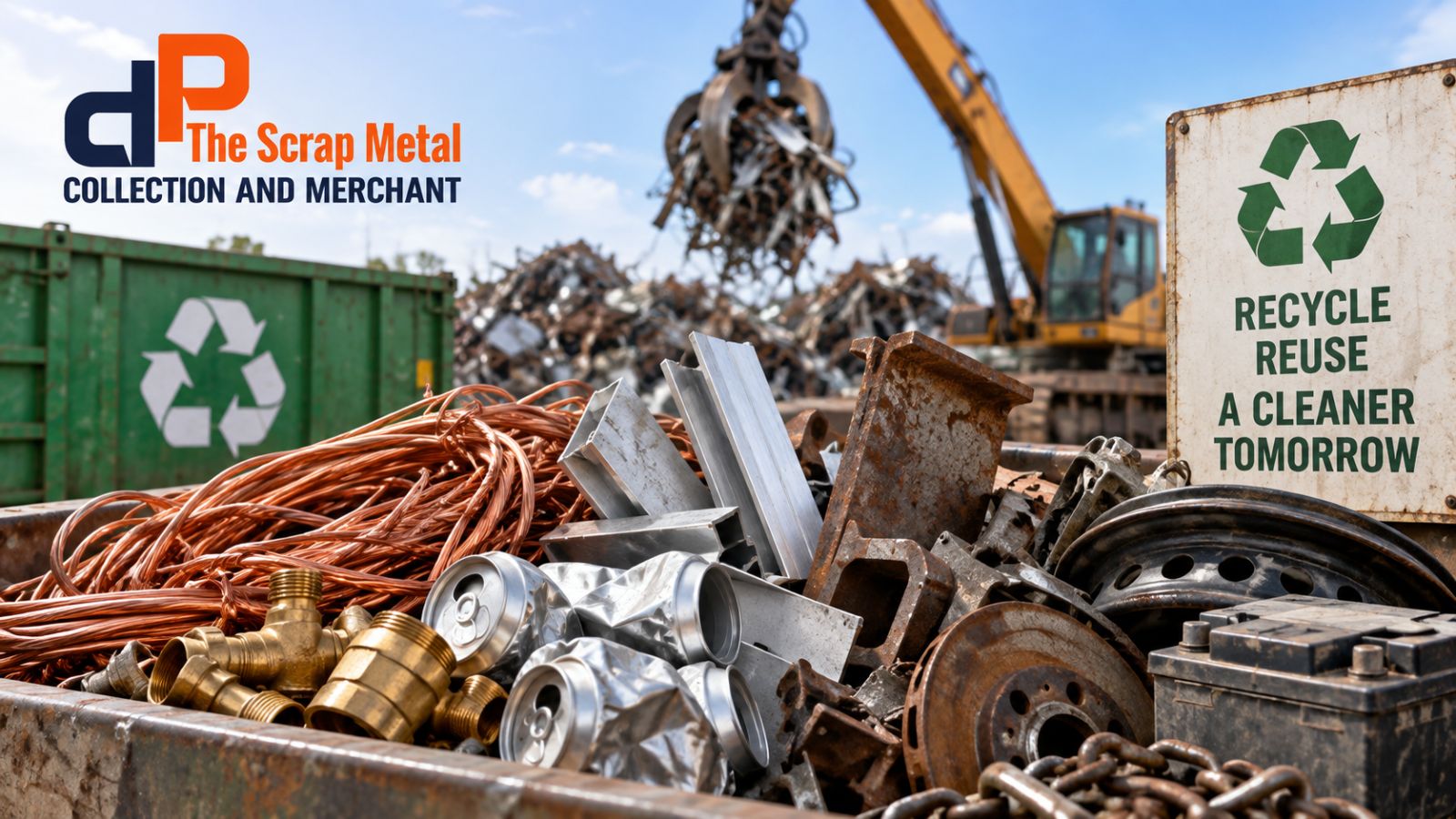
A lot of people think that metal items that are old and outdated are considered scrap metal and rubbish. However, not all metals are useless. These can be recycled, sorted, and refined again instead of being dumped in landfills.
In this case, scrap metal collection becomes really useful. Scrap metal includes pipes, cables, car components, tins, and other metal products that can still be used.
There are also different kinds of metals. For instance, copper scrap can become very popular, as copper can be used again to produce other items. There is also aluminium and brass scrap metal among the popular types of metal.
Before throwing away an old metal object, check whether there is some possibility of scrap metal recycling. Below you will find 7 types of scrap metal that are worth considering while collecting.
Copper is one of the most useful metals found in old household and commercial items.
You can find copper in:
Copper is a good conductor of electricity. It is also durable and can be recycled many times.
Old electrical wire is a common example. A pile of unused cable may look worthless, but the metal inside can often be recovered.
Brass scrap is another metal worth separating. Brass is usually made from copper and zinc. It has a yellow-gold appearance and is often found in household plumbing and fittings.
Common examples include:
Aluminium is lightweight, but that does not mean it has no value.
It is commonly found in:
One benefit of aluminium recycling is that the metal can be processed and used again. Larger aluminium items can be taken to a metal recycling centre or collected by a scrap metal service, depending on local requirements.
Steel is one of the most widely used metals in everyday life.
You may find scrap steel in:
Stainless steel is easily recognisable due to its shiny appearance and rust resistance, and is commonly used in kitchens, workshops, industrial machinery, and elsewhere. Not all types of steel will have the same value. Grades and conditions of the metal will influence how it is categorised as scrap.
If you have a considerable amount of various types of steel, enquire with your recycler whether it can be sorted prior to collection.
Lead might be present in some construction materials, batteries and other items. Nevertheless, this type of scrap requires special attention.
Lead might be toxic when handled incorrectly. Never cut, burn, grind, or melt unidentified lead-containing materials at home.
If you have lead-based materials, consult the relevant scrap metal recycling/waste disposal company. The same applies to batteries. Do not throw away damaged batteries in household waste.
A professional recycler will be able to provide information on the material handling and transportation.
Zinc is another recyclable metal that people sometimes overlook.
It can be found in:
Zinc is often used as a protective coating for steel because it helps reduce corrosion. If you are renovating a property, you may come across old zinc-based materials. Keep different metals separated when practical.
Before removing material from an older building, make sure you understand any safety requirements. Some building materials may contain other substances that require specialist handling.
Old vehicles contain several recyclable metals. A vehicle can contain steel, aluminium, copper, brass and many other metals. Such components as wheels, radiators, engine parts and some electric parts can be recycled. It does not mean that you have to recycle your vehicle on your own.
There can be liquids, batteries, fuel systems and other components which need appropriate handling. End-of-life vehicles need appropriate processing services.
If you do not know what to do with your vehicle, you can ask an authorised automotive recycler what recycling opportunities he can offer.
Disposing of scrap metal together with the rest of the waste implies loss of material to landfill sites. Recycling not only enables reuse of metal but also reduces the need for extraction of raw materials.
The extent of ecological benefit will vary depending on the kind of metal and recycling methods used. Hence, it becomes vital to sort the metal properly and recycle it.
For instance, 2 kg of metal recovered from household waste per month translates to 24 kg of metal per year. Imagine the amount of scrap when there are hundreds or thousands of houses.
It is common to wonder, “What is my scrap metal worth?”
This cannot have one answer because scrap value may depend on several factors like:
For example, a box containing only clean copper may be assessed differently from a mixed box containing copper, plastic, steel, and other materials.
This is why sorting your scrap can be useful. Do not rely on an old price you found online. Scrap prices can change over time.
A little preparation can make collection easier.
Keep copper, brass, aluminium, and steel in separate groups where practical.
Do not mix food waste, paper, or other rubbish with your metal.
Dry storage can make handling and sorting easier.
Batteries, chemicals, pressurised containers, and contaminated materials may need special handling.
Not every recycler accepts every type of metal. A quick phone call can save you a wasted trip.
Some metals are more valuable than others. Copper and brass are often separated because they can have higher scrap value than ordinary mixed steel. The word ‘valuable’ does not always mean ‘expensive’.
An old steel appliance may have a lower price per kilogram but could still contain a large amount of recyclable metal. A small amount of copper may have a different value because of the metal’s market price and purity. The best approach is to identify what you have before deciding whether it is worth recycling.
You may have more metal than you can transport yourself.
This can happen after:
In these situations, scrap metal collection can be a practical option.
| Metal | Common Sources | Recyclable? |
| Copper | Wires, pipes, motors | Usually |
| Brass | Taps, valves, fittings | Usually |
| Aluminium | Cans, frames, gutters | Usually |
| Steel | Tools, appliances, machinery | Usually |
| Stainless steel | Kitchen items, equipment | Usually |
| Zinc | Gutters, roofing | Often |
| Automotive metals | Wheels, parts, body panels | Usually through suitable recyclers |
This table is a general guide. Acceptance rules can vary between recycling facilities.
Some people try to burn insulation from wires or dismantle items using unsafe methods to recover metal. This is not a good idea. The safest scrap is scrap that has been handled properly from the beginning.
The amount can vary greatly. A small garage cleanout may produce 20–50 kg of metal. A renovation or commercial clean-out can produce hundreds of kilograms or more.
Do not guess the weight if you need a collection service. If possible, estimate the amount and explain what materials you have. A recycler can then tell you what information they need.
Keeping a basic record of the type and approximate weight of your scrap can also help you understand what you are generating over time.
Scrap metals do not need to be considered regular garbage. While cleaning out your garage, renovating your kitchen, doing some plumbing work, or taking away old machinery, make sure to create another pile specifically for metals. It will take just a few moments to sort out the materials. In one year’s time, this will accumulate into something substantial. What is even more important, proper recycling means that the useful metals will be recycled instead of being buried in the ground.
Old metal can still have a second life! Copper, brass, aluminium, steel, zinc and automotive metals are just some of the metals that can often be recycled.
Before binning metal, take a moment to identify the type of metal, keep metals separate from one another where possible, and use a local scrap metal recycling centre or collection service that will take the material.
If you are unsure what you have, ask before you handle it. This is especially important with batteries, electrical components, lead, and other potentially hazardous materials. Simple sorting and scrap metal collection can make old metal a valuable resource rather than a useless chunk of scrap metal to throw away. DP The Scrap Metal Collection and Merchant is a relevant agency that can help you with scrap recycling.
Recyclable metals commonly include copper, brass, aluminium, steel, stainless steel and zinc. Old car parts and some appliances often contain recyclable metal too.
Yes! Copper is commonly collected and recycled due to its useful recycling value. Prices often vary, so it is best to check with a local recycler what the current market price is.
Keeping metals separate where possible and having clean, sorted metals will often help a recycler to identify what they have. The final value of the metal will depend on the type, weight, grade, purity, and current market value.
This will depend on the type of metal, your local recycling guidelines, and whether you have large pieces of metal. Metal recycling centres or a scrap metal collection service are often best for scrap metal.
Some items can contain batteries, electrical components, chemicals, or other hazardous materials, so it is best to leave dismantling to the professionals. Avoid burning, cutting, or breaking metal items or materials that you are unsure of. Ask a professional recycler how the item should be disposed of.